The US is focused on Iran. But China is its biggest challenge
In 2024, US air defenders stationed in Japan got an urgent order: They were needed halfway across the world to help thwart ballistic-missile threats from Iran and its proxies. It was the first time a Patriot missile battery was moved from the military’s Indo-Pacific Command to the Middle East, where it stayed for five months.
The next year, more batteries and hundreds of soldiers followed—73 planeloads on large C-17 aircraft. Crews from South Korea and Japan, otherwise training to fight China and North Korea, found themselves in Qatar in June, firing round after round of interceptors—the single largest Patriot engagement in US history. They returned to Asia in late October.
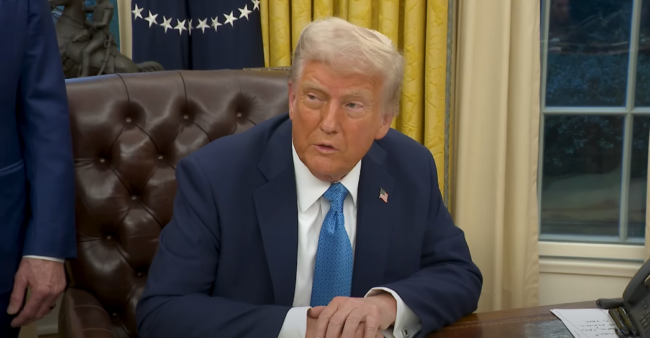
The US military sees China as its toughest challenge, but Washington has struggled to pick its battles. President Trump’s war against Iran is the latest example. The escalating conflict, which could rage on for weeks, has drawn US warships and aircraft from ports and bases around the world.
American forces have expended enormous firepower already—more than 2,000 munitions against nearly as many targets in the first 100 hours of the conflict, according to Central Command, or Centcom.
An argument for the US’ actions might be that initiating a conventional war with China is not only unfeasible, but completely counter productive. It is. And therefore, the way to combat and weaken China is to weaken its allies in the anti-American axis.
Theoretically, this should work, as getting more favorable (or at least weakened) regimes in Cuba, Venezuela and Iran should give the US the ability to choke China off of oil, and have more control in areas that China would like to have more of a say in.
But it risks getting America’s military bogged down, and lowering Americans’ appetite of the US acting on the global stage, which would benefit China. It really comes down to how well the US executes its military objectives.
If America executes its military objectives, it will no doubt benefit America and strengthen our position on the world stage. But if America gets bogged down, it could be something that hampers our ability to act with force on the world stage in the future. That would create just the opening for China that the US is trying to prevent.
Related Posts
The US could be getting access to vast oil reserves in Venezuela
Iranians struggle to afford groceries as the US squeezes their economy