The Supreme Court will hear arguments over birthright citizenship
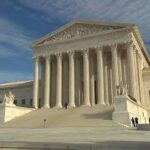
The Supreme Court said on Friday that it will decide the legality of President Donald Trump’s executive order that seeks to end birthright citizenship, which grants automatic citizenship to almost anyone born in the US, regardless of whether their parents came to the country legally.
This plan is the first from President Trump’s immigration agenda that the Supreme Court will evaluate on legal merits. The Supreme Court has been asked to intervene in several challenges to the President’s policies, but only did so at early stages of the cases and through emergency requests for relief.
The Justice Department has argued that the Constitution does not grant citizenship to children of “temporary visitors or illegal aliens.” The President issued an executive order on birthright citizenship on his first day in office.
Under that order, children who are born in the US to parents who are in the country illegally or on a temporary basis are not recognized as US citizens. Mr Trump’s executive order is a pillar of his immigration agenda, but it has yet to take effect.
The policy faced a host of legal challenges and many lower courts blocked it. After, the Supreme Court agreed to intervene during the early stages of 3 different cases, but did not consider the underlying legality of Trump’s proposal.
The Supreme Court, in a 6-3 decision, curtailed the ability of district court judges to issue nationwide injunctions that prevent the Trump administration from enforcing its policy, but said plaintiffs could seek broad relief through class-action lawsuits.
Arguments for the case on birthright citizenship are expected to take place next year, with a decision likely to be issued at the end of June or in early July 2026.
Related Posts

President Trump endorses Netanyahu for reelection in Israel
Is Republican voter enthusiasm fading around the nation?