US and China discuss extending trade truce
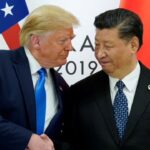
US and Chinese trade negotiators discussed potentially extending a tariff truce over two days of talks, senior administration officials said, but haven’t yet come to an agreement.
The two sides held constructive negotiations, Treasury Secretary Scott Bessent and U.S. Trade Representative Jamieson Greer told reporters in Stockholm. They said they would report back to President Trump, who will make the final decision on an extension. One option for Trump to approve, they said, involves renewing the tariff pause for another three months. Their truce is set to expire Aug. 12.
Bessent said that while the sides are close on an extension, he said there are some “technical details” both sides need to work through before moving forward. “They’re small,” he said. “It mainly had to do with the Chinese delegation.”
Li Chenggang, a senior Chinese negotiator, said both sides will maintain “timely communication” on trade and economic issues. Without another pause, U.S. tariffs on China could climb to over 80% on most goods, Greer told reporters at the conclusion of the meetings.
U.S. levies on Chinese imports now stand at about 50% to 55% for most goods—higher than the levels negotiated in recent days with Vietnam, Japan, Indonesia and the European Union.
During the discussions in the Swedish capital, Chinese negotiators asked their American counterparts to drop the 20% import duties related to China’s role in the fentanyl trade. But the U.S. officials said Beijing hasn’t made substantial progress with cracking down on the chemicals used to make the drug.
This possible extension of a trade truce would have huge ramifications for the entire world. As the two largest economies in the world, a trade war between the US and China would negatively impact nearly every corner of the globe.
There are still potential areas for a truce to be tripped up, so while this looks like encouraging news, anything is still possible.
Related Posts

President Trump endorses Netanyahu for reelection in Israel
What are American soldiers doing in Ecuador?