Bonds are heading for best year since 2020

Almost everything has lined up for bonds lately. The Federal Reserve has been cutting interest rates, job growth and consumer spending are slowing, keeping hopes for further rate cuts alive, but not pointing to an imminent recession that would hurt corporate balance sheets.
“Recently falling Treasury yields reflect investor expectations the Federal Reserve (Fed) will cut policy rates more than they’d previously anticipated as the Fed attempts to balance softer labor market conditions against persistent inflation,” notes Bill Merz, head of capital markets research with U.S. Bank Asset Management Group. “Declining bond yields can reflect weaker economic growth or inflation expectations.”
“Economists predicted modestly higher inflation this year, and recent data confirmed those forecasts. Consensus now points to a gradual slowdown in inflation,” says Merz. “ appeared in business surveys and accelerating core goods prices, but these effects haven’t been extreme.” Year-over-year inflation, as measured by CPI, decelerated from 3.0% in January of this year to 2.7% in June, before rising back to 3.0% in September.
Congressional actions also influence fixed income markets. Early in 2025, the federal government reached its , limiting new Treasury Department issuance beyond replacing maturing bonds.
The Treasury spent down much of its cash balance, which normally hovers around $850 billion. With the debt ceiling lifted, the Treasury replenished cash balances and now must issue new Treasury debt to fund budget deficits and replace maturing debt.
It is in this environment that bonds are looking to have one of their best years in recent memory. This could change, pending actions from the White House and Congress, but for now, it looks like people with more money in bonds are going to have a good year.
Related Posts

How an energy crisis is spreading across the world
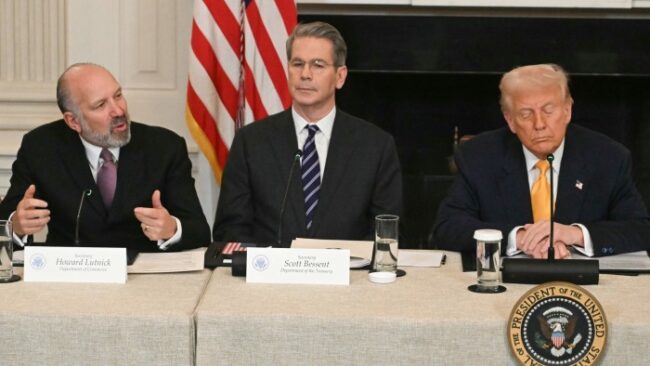
Treasury Secretary Bessent turns up heat on Fed’s Jerome Powell